Carbon: A New Opportunity for West Fraser
West Fraser is turning sustainability into opportunity, generating revenue while reducing our environmental footprint.
Improving energy efficiency, reducing waste and meeting regulatory requirements all contribute to lowering costs. At the same time, emerging opportunities — such as participating in carbon programs, entering renewable energy agreements and developing carbon removal products — are creating new sources of revenue. Together, these efforts support both the environment and West Fraser’s bottom line.
We have worked for many years to reduce our carbon footprint, and that dedication continues across our operations. What’s new is that many of these sustainability efforts now also generate revenue.
Alongside ongoing work to cut emissions, we participate in carbon programs that can generate credits for sale and are beginning to produce carbon removal products, including biochar, at select sites.
For years, carbon was purely a cost of doing business. We are actively flipping that.
By aligning our emissions reduction work with the right market mechanisms and programs, we’re turning what used to be an expense into a growing source of revenue while also strengthening West Fraser’s objective to be a sustainability leader.
Branden B., Senior Manager, Climate Programs
A growing business opportunity
 Opportunities to reduce emissions differ across our operations. Some regions have carbon programs; others do not. Energy sources also vary across regions. What matters is recognizing where real opportunities exist and acting on them. By focusing on jurisdictions where programs and economics align, we can reduce emissions while generating revenue.
In 2025, our participation in carbon programs in British Columbia and Alberta generated US$13.3 million in credit sales. These credits reflect tangible emission reductions resulting from behavioural changes, improved energy efficiency and the use of lower-carbon energy sources.
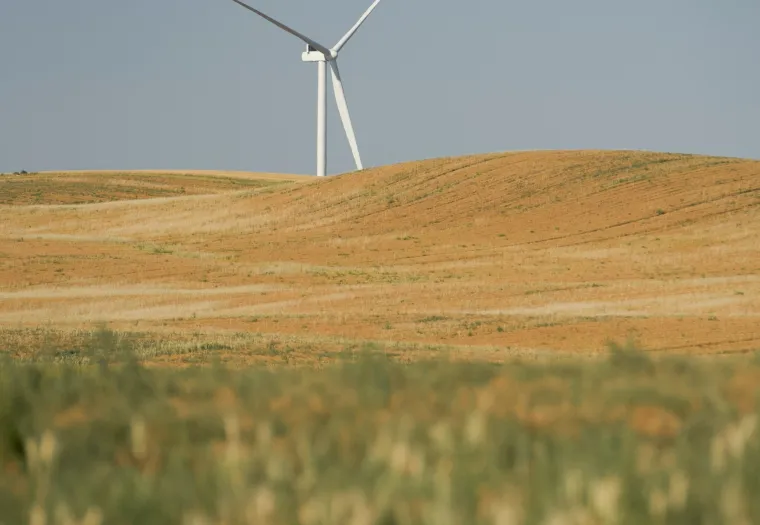
Renewable energy is also becoming an important source of value. In Alberta, our long-term virtual power purchase agreements (VPPAs) help reduce emissions and can generate revenue. Electricity from a renewable project is sold back to the grid. When prices rise, so does the value we earn. Over time, our VPPA portfolio is expected to deliver US$13.7 million in value.
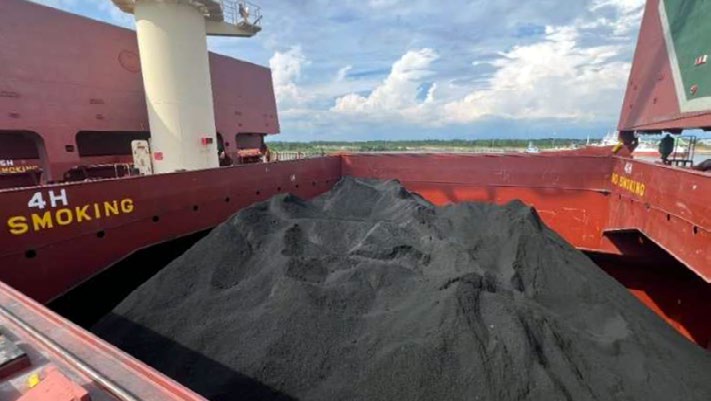
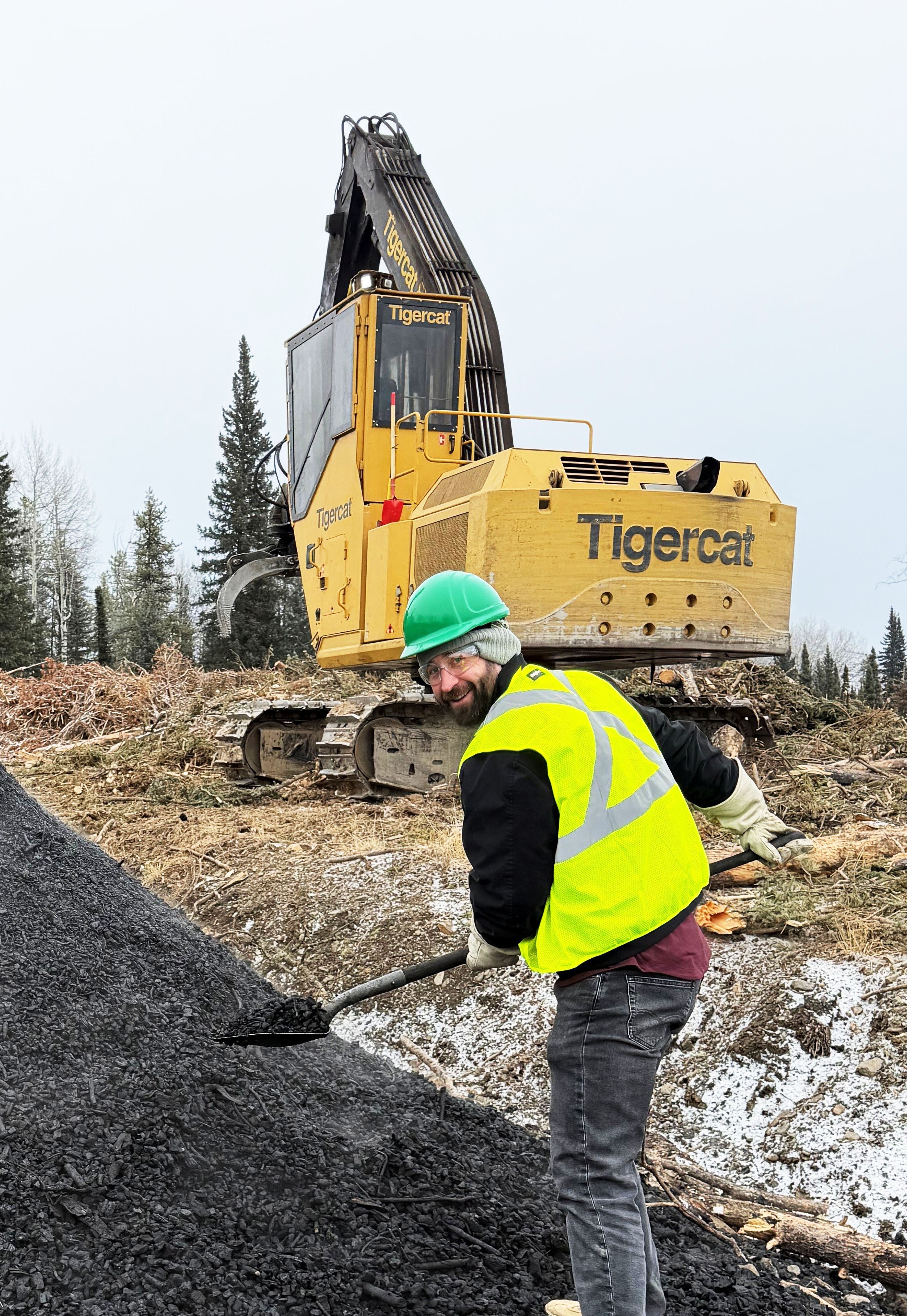
We are also advancing new carbon removal products. One example is biochar, a charcoal-like material produced as a byproduct of our OSB manufacturing process. Biochar is a carbon-rich soil additive and is considered valuable because the carbon it contains remains stored forever. With the right project parameters, we can generate certified carbon removal credits by producing biochar and distributing it across a landscape.
Our Joanna, South Carolina, biochar project has generated US$2.5 million worth of credits as of December 2025. Our upcoming carbonator project in Sundre, Alberta, is expected to build on that success as we explore additional opportunities across our operations. Third-party certification ensures that the carbon stored in our biochar is real, measurable and permanent.
A look ahead
“This is about leveraging what we already do well,” said Branden. “We manage forests, we produce wood products and now we’re monetizing the carbon outcomes that come with doing both responsibly. That’s a competitive advantage that will only grow as these markets mature. Our progress is something everyone at West Fraser can be proud of and play a part in as we continue to seek additional opportunities.”