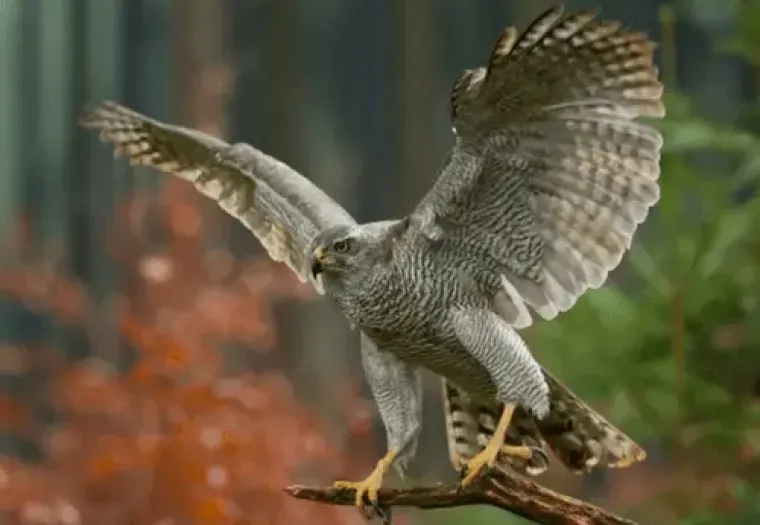
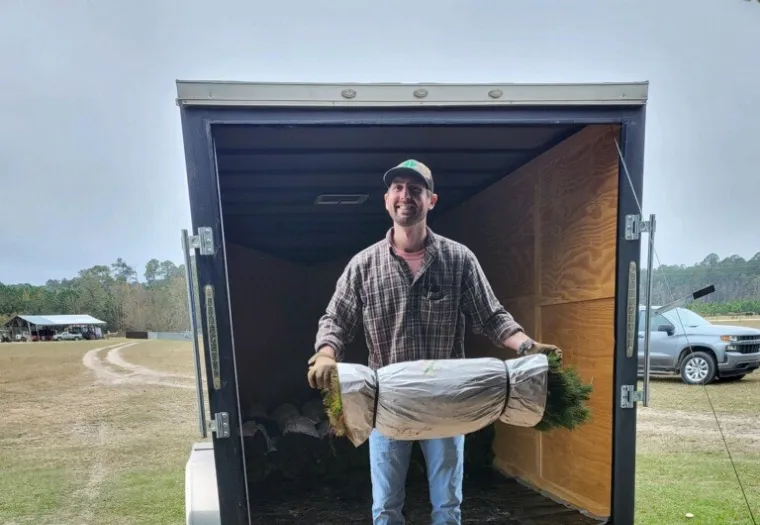
A closer look at bats: West Fraser's research balances conservation and employee safety
What began with employees noticing bats around two West Fraser facilities in Alberta has grown into a multi-year research project. The study is helping us better understand bat activity around our operations and explore practical ways to reduce potential risks to wildlife and employees.
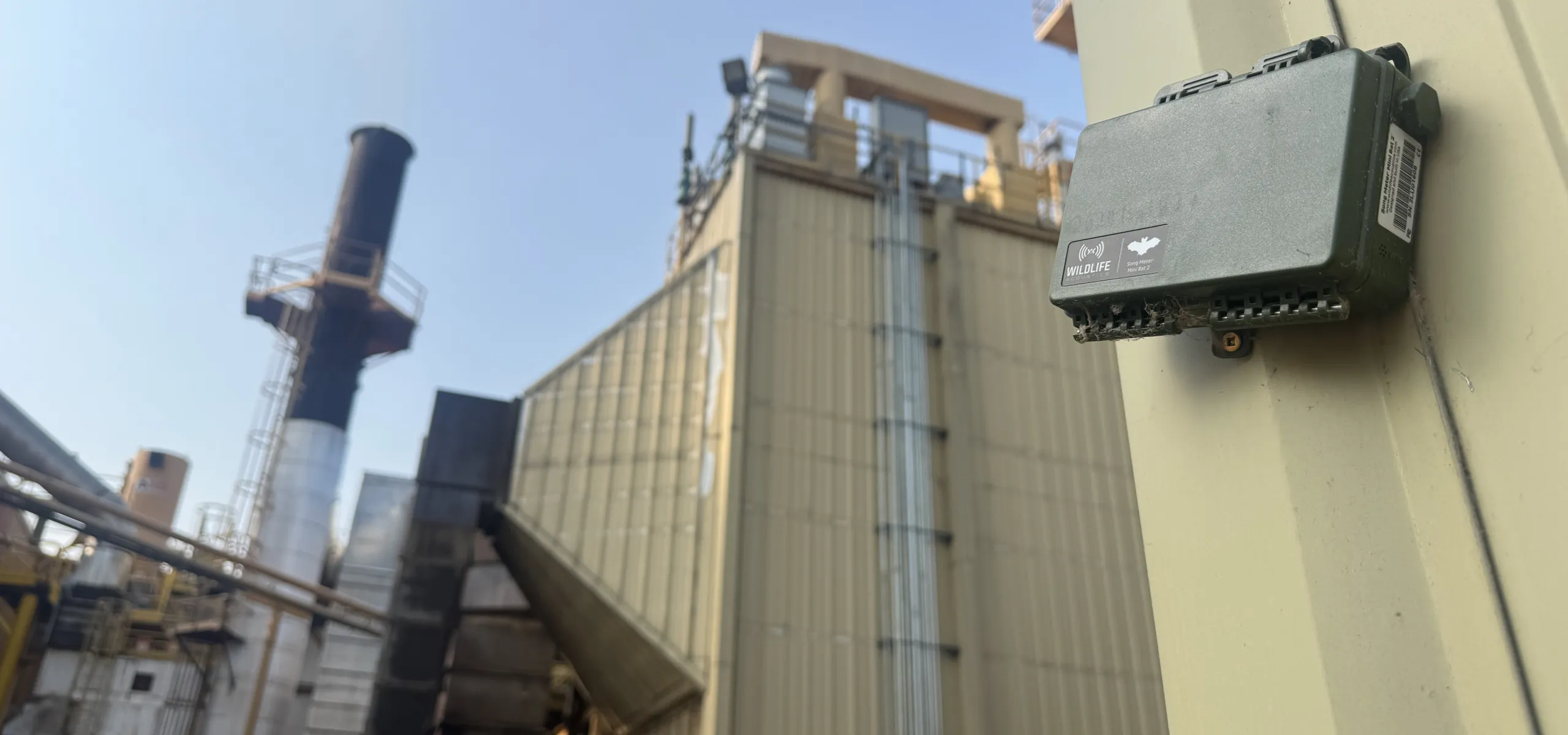
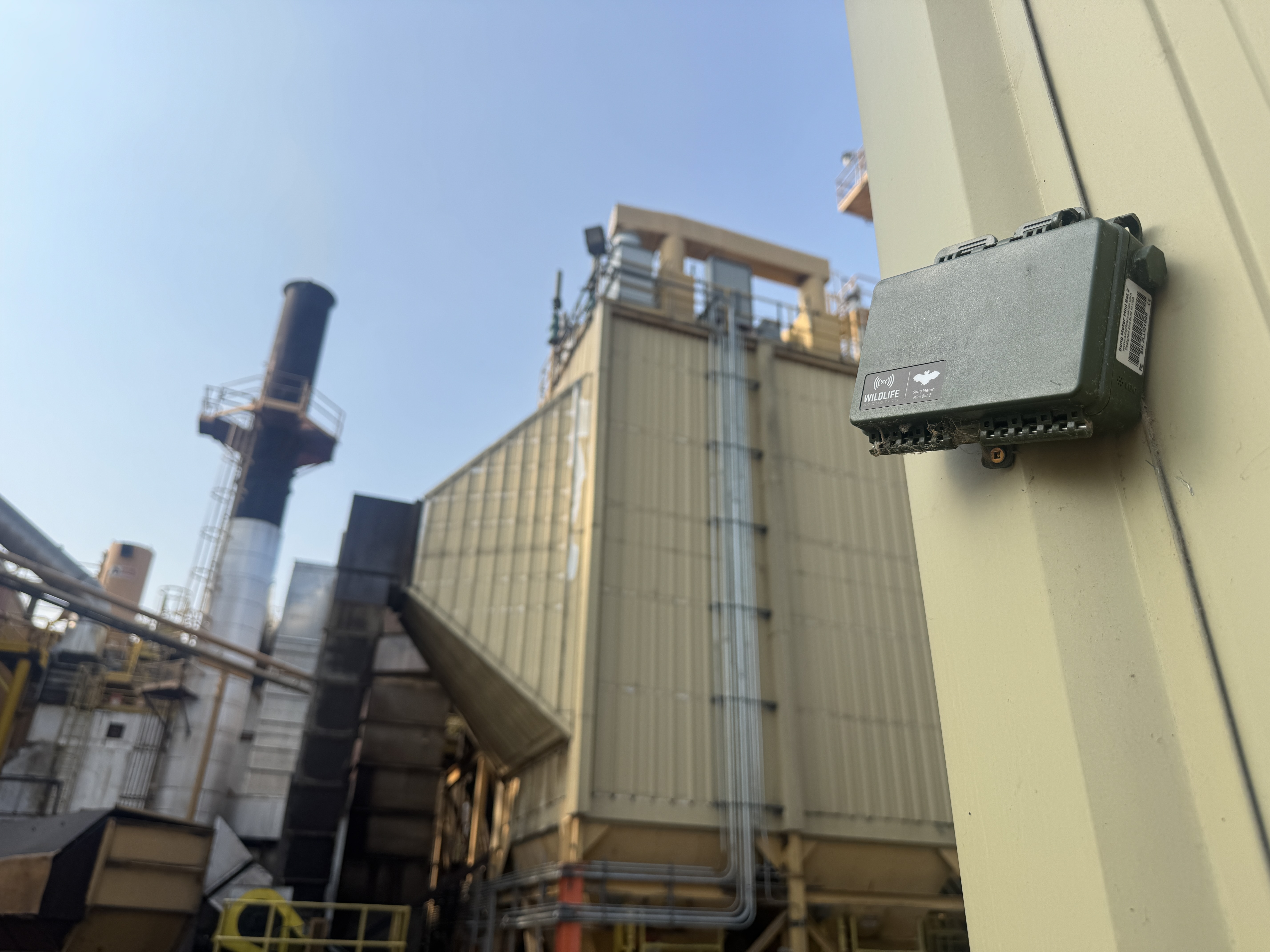
Bats may not be the first animals that come to mind when thinking about lumber manufacturing. But at West Fraser's Blue Ridge Lumber and Ranger Board facilities in Alberta, observations by employees have led to a research project exploring how bats use the areas around our operations and how potential risks to wildlife and employees can be reduced.
Bats play an important role in healthy ecosystems, particularly by helping control insect populations. However, several North American bat species face significant threats, including habitat loss and white-nose syndrome, a fungal disease that affects hibernating bats.
In 2024, West Fraser's environment team partnered with STRIX Ecological Consulting to investigate bat activity at its Blue Ridge Lumber and Ranger Board facilities. Now in its third season, the project uses acoustic monitoring to identify which species are present, where they are active and how they may interact with mill operations.
Understanding where bats are active
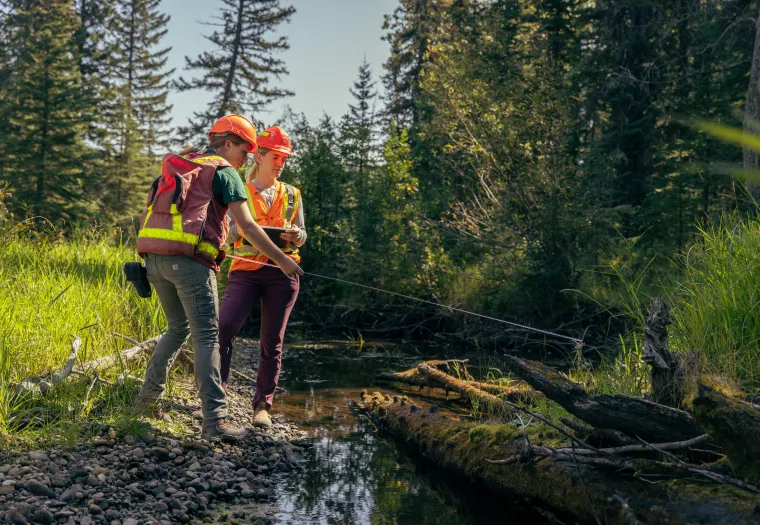
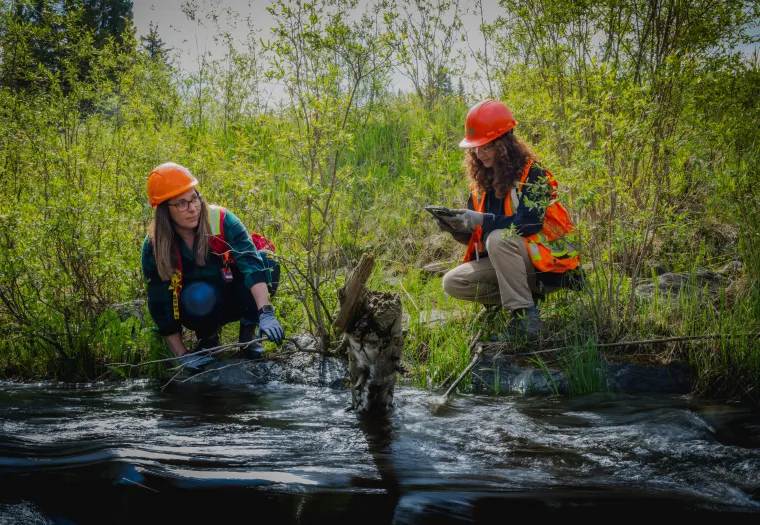
Because bats are nocturnal and use ultrasonic echolocation to navigate and find food, their movements can be difficult to observe. The research uses acoustic monitoring equipment to record bat activity and help identify the species present and the areas they frequent.
“The first two seasons of monitoring helped identify areas where bats were most active, including locations near buildings and operating equipment. The acoustic monitoring at Blue Ridge Lumber and Ranger Board facilities looked at where, when, how many, and which bats were present.The findings have helped researchers distinguish between areas where bats can feed or travel with limited interaction with mill operations and locations where their presence may create additional risks.
Emily C., Habitat/Wildlife Biologist
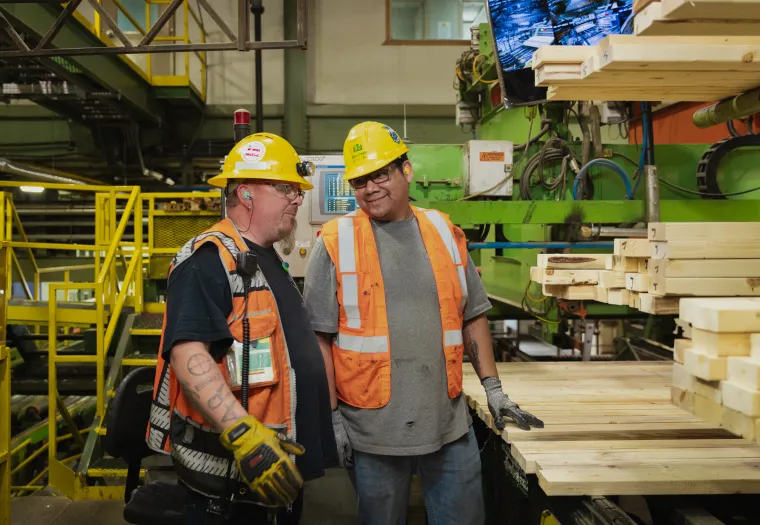
Mill buildings provide warmth and shelter, while their open design, necessary for dust management, allows bats to enter. Nighttime lighting may also attract insects, drawing bats closer to employees and equipment.
The goal is not to eliminate bat activity around the facilities, but to better understand where potential interactions occur and explore ways to discourage bats from entering higher-risk areas.
Testing warmer lighting
In 2026, the research expanded to testing a potential solution: changing the colour of selected outdoor lighting.
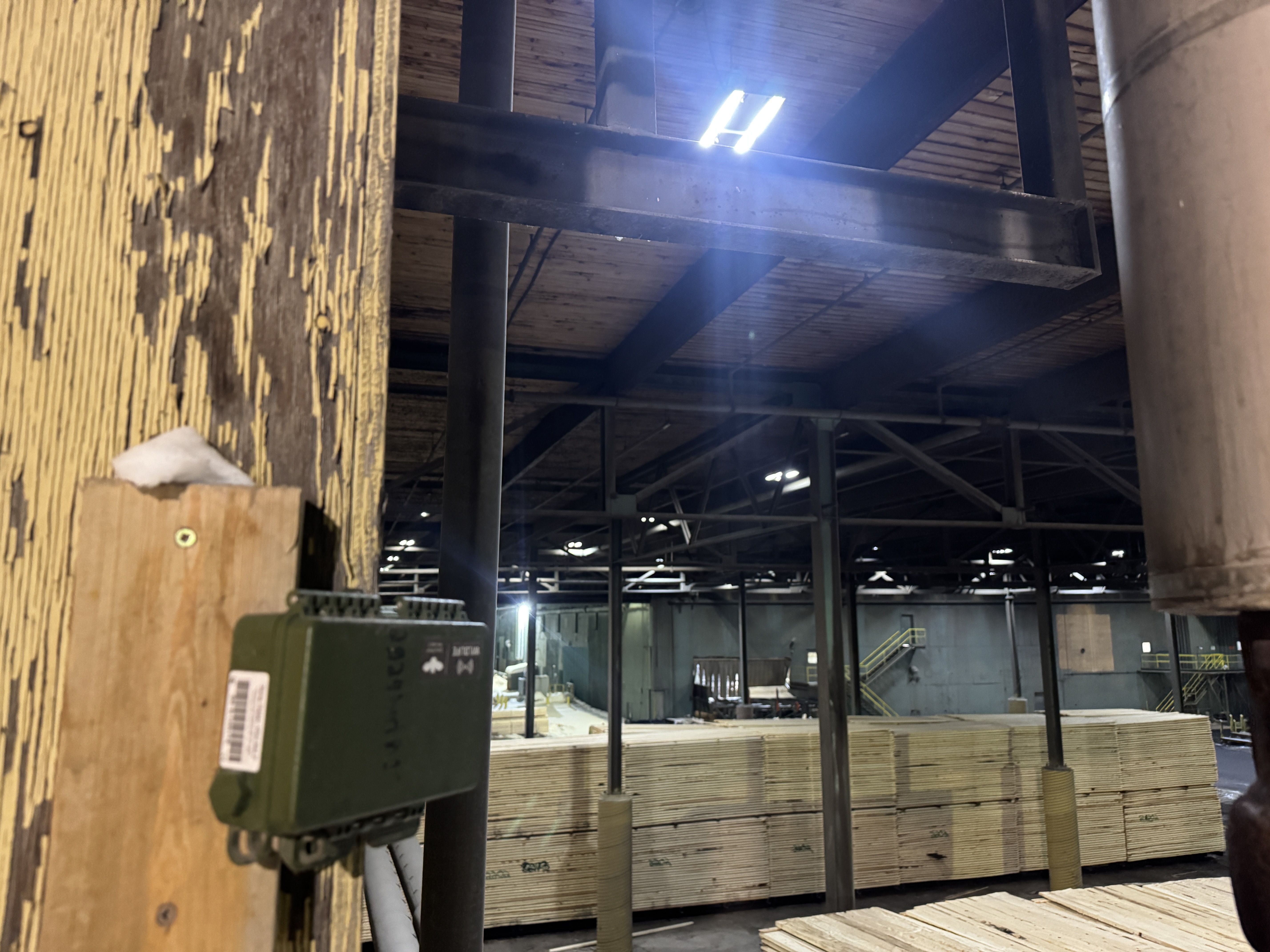
Bright white lights can attract insects, which in turn attract bats. Research suggests warmer yellow or orange lighting may attract fewer insects, potentially reducing bat activity near operating areas.
Working with STRIX, West Fraser has replaced several fixtures to test whether warmer lighting influences bat activity while maintaining the visibility employees need to work safely.
Acoustic monitoring will help researchers assess whether the lighting changes are effective and whether similar adjustments could be considered in other areas of the facilities.
Sharing lessons across West Fraser
With three seasons of monitoring and the first lighting trials underway, the project is providing a better understanding of how bats interact with our mill operations.
The findings could help inform future environmental and operational decisions at Blue Ridge Lumber and Ranger Board, while providing useful information for other West Fraser facilities experiencing similar wildlife interactions.
What began with observations by employees has developed into a research project combining scientific expertise with practical operational considerations. As the work continues, the focus remains on identifying approaches that consider both wildlife and employee safety.